Many people assume that a hearing test is a simple pass-or-fail assessment.
You either have hearing loss or you don’t.
In reality, hearing health is much more complex than that.
A comprehensive hearing test is designed to provide a detailed understanding of how well you hear, identify potential hearing concerns, and help determine the most appropriate next steps for your hearing care. Whether you’re experiencing hearing difficulties, noticing changes in conversations, or simply wanting a baseline assessment, comprehensive hearing testing can provide valuable information about your hearing health.
For individuals seeking hearing care in Vancouver, understanding what a comprehensive hearing test includes can help you make informed decisions and feel more confident about the process.
Why Hearing Testing Is Important
Hearing changes often happen gradually.
Many people adapt to these changes without realizing how much they are missing. Family members may notice the signs first.
Common signs that may indicate the need for hearing testing include:
- Frequently asking people to repeat themselves
- Difficulty following conversations in noisy environments
- Turning up the television volume
- Trouble hearing on the phone
- Feeling exhausted after social gatherings
- Ringing or buzzing sounds in the ears
- Family members expressing concerns about your hearing
Early identification of hearing changes can help prevent communication difficulties from affecting daily life, relationships, and overall wellbeing.
What Makes a Hearing Test “Comprehensive”?
Not all hearing tests are the same.
Some hearing screenings are designed to identify whether further testing may be needed. A comprehensive hearing assessment goes much further.
Rather than simply determining whether hearing loss exists, comprehensive testing helps identify:
- The type of hearing loss
- The degree of hearing loss
- Which frequencies are affected
- How hearing loss may impact communication
- Whether further medical evaluation may be required
- Potential treatment or management options
The goal is to create a complete picture of your hearing health.
What Happens During Comprehensive Hearing Testing?
Every clinic may have slightly different procedures, but a professional hearing assessment typically includes several components.
Discussion of Your Hearing Concerns
Before testing begins, your hearing healthcare provider will discuss:
- Your symptoms
- Medical history
- Noise exposure history
- Family history of hearing loss
- Communication challenges
- Lifestyle needs
This information helps provide context for the test results and ensures recommendations are tailored to your situation.
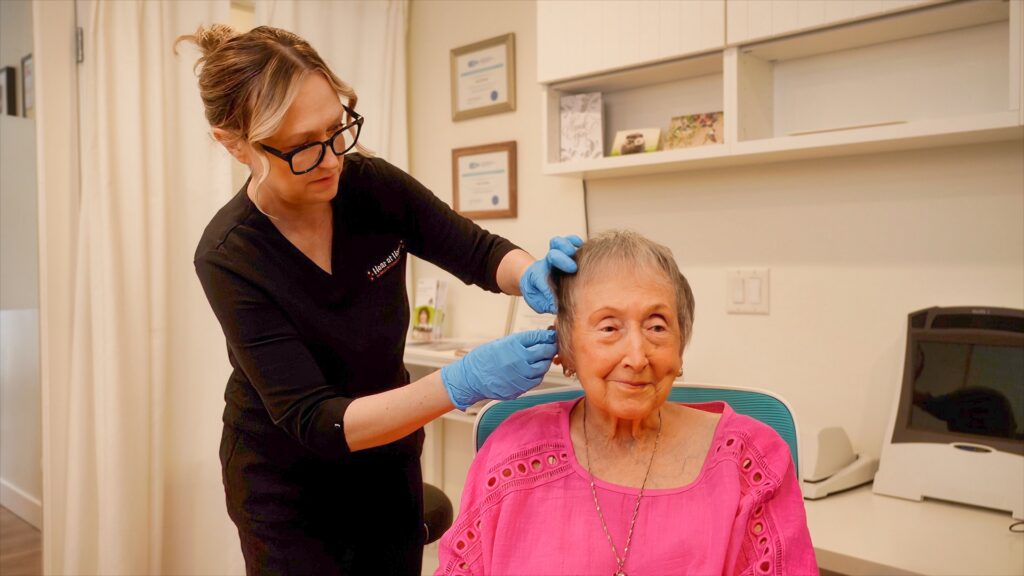
Otoscopic Examination
The ears are visually examined to check for:
- Earwax buildup
- Ear canal abnormalities
- Signs of infection
- Other visible concerns
Sometimes hearing difficulties may be related to issues that require medical attention rather than hearing aids.
Pure-Tone Hearing Testing
This is the part most people associate with a hearing test.
You’ll listen to sounds at different pitches and volumes through headphones and indicate when you hear them.
This helps identify the quietest sounds you can hear across various frequencies.
Speech Understanding Assessment
Hearing isn’t just about detecting sounds.
It’s also about understanding speech.
Speech testing helps determine how well you understand words and conversations under different listening conditions.
This information is often particularly valuable because many people struggle more with speech clarity than with volume.
Additional Testing When Needed
Depending on your situation, additional testing may be recommended to gather more information about your hearing health.
Understanding Your Hearing Test Results
Many people feel intimidated by hearing test results.
A professional hearing clinic should take time to explain:
- What the results mean
- Whether hearing loss is present
- The type and severity of hearing loss
- How hearing changes may affect daily life
- Recommended next steps
The goal is not simply to provide a chart but to help you understand how your hearing impacts your everyday experiences.
Hearing Care Is Not One-Size-Fits-All
One of the most important benefits of comprehensive hearing testing is that it allows recommendations to be personalized.
Every person’s hearing profile is unique.
Recommendations may include:
- Ongoing monitoring
- Hearing protection strategies
- Earwax management
- Communication techniques
- Medical referrals
- Hearing technology when appropriate
The right recommendation depends entirely on your individual needs.
Why Comprehensive Testing Matters More Than a Quick Screening
Quick hearing screenings can be useful, but they are not designed to provide the same level of information as a comprehensive assessment.
A screening may identify a possible issue.
A comprehensive hearing test helps explain why that issue exists and what can be done about it.
For people concerned about their hearing health, a detailed assessment often provides greater clarity, confidence, and peace of mind.
The Value of Long-Term Hearing Care
Hearing health can change over time.
That’s why hearing care should be viewed as an ongoing process rather than a single appointment.
Regular hearing evaluations help monitor changes and ensure you continue receiving the support that best meets your needs.
For many individuals, having access to both clinic-based and in-home hearing services provides additional convenience and continuity as life circumstances evolve.
Final Thoughts
Comprehensive hearing testing is one of the most important steps you can take to better understand your hearing health.
By providing a detailed assessment of how you hear and how hearing changes may affect your daily life, comprehensive testing creates the foundation for personalized hearing care and informed decision-making.
Hear At Home Mobile Hearing Clinic
At Hear At Home Mobile Hearing Clinic, we provide professional, comprehensive hearing testing in both our clinic and the comfort of your home. Our goal is to help you better understand your hearing health and provide personalized recommendations that support your long-term hearing wellbeing.
Related Reading: What to Expect from a Professional Hearing Clinic in Vancouver (Beyond Just Testing)
You May Also Like: 7 Signs You Need a Hearing Test After 50 (Don’t Ignore These Hearing Loss Symptoms)