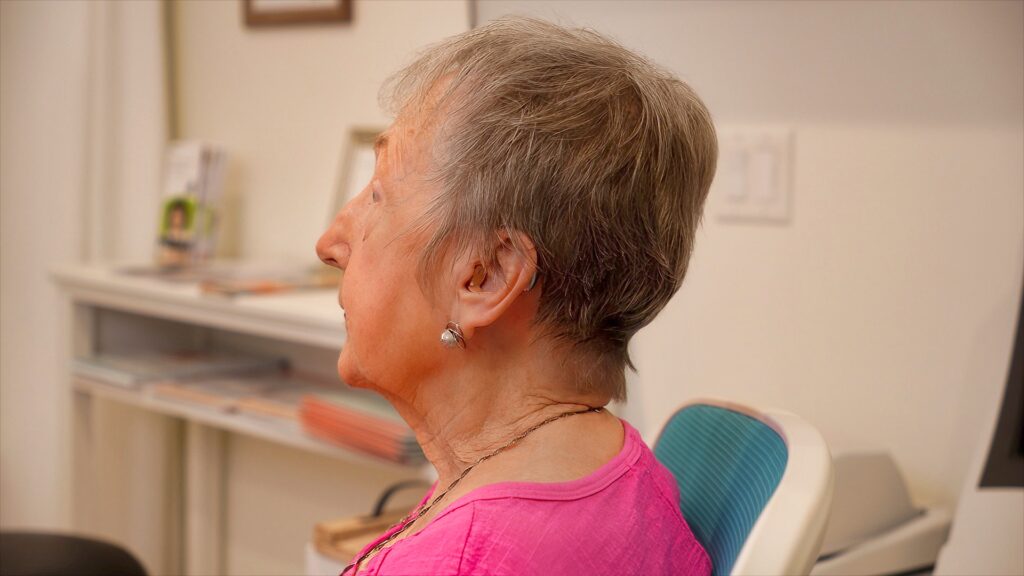
Most people don’t notice hearing loss the way they expect to.
There’s no sudden moment where everything goes quiet.
Instead, it’s gradual – subtle changes that are easy to ignore or explain away.
By the time many people search for a hearing test after 50, they’ve already been adjusting their daily life without realizing it.
They turn the TV up a little more.
They ask people to repeat themselves.
They start avoiding noisy places.
And slowly, hearing loss becomes part of normal life.
This guide is designed to help you recognize those early signs – not with fear, but with clarity – so you can take action early and maintain your quality of life.
Why Hearing Changes After 50 Are So Common
Hearing loss after 50 is not unusual.
In fact, age-related hearing changes (presbycusis) affect a large percentage of adults – often without them realizing it.
What makes it challenging is that:
- It develops gradually
- It often affects high-frequency sounds first
- The brain adapts to the changes
👉 That’s why many people delay getting a hearing test – they don’t feel like anything is “wrong enough.”
But early detection makes a significant difference.
7 Signs You Need a Hearing Test After 50
Let’s go beyond the obvious and talk about what people actually experience.
- Conversations Sound Clear – But Not Understandable
You can hear people speaking, but you’re missing parts of what they’re saying.
It’s not volume – it’s clarity.
This is one of the earliest and most overlooked hearing loss symptoms.
- You Frequently Ask People to Repeat Themselves
Especially in group conversations.
You might say:
- “Sorry, what was that?”
- “Can you say that again?”
👉 If this is happening regularly, it’s a strong indicator that a hearing test after 50 is needed.
- Background Noise Makes Conversations Difficult
Restaurants, social gatherings, or even family dinners become challenging.
Instead of following the conversation, you feel like you’re trying to filter noise.
- The TV Volume Keeps Increasing
This is often one of the first signs noticed by others.
If family members are commenting on your volume levels – it’s worth paying attention.
- You Feel Tired After Social Interactions
Listening becomes effortful.
Your brain is working harder to fill in gaps – which can lead to mental fatigue.
- You Start Avoiding Conversations or Social Situations
Not intentionally.
But because it’s easier than struggling to hear.
👉 This is where hearing loss starts affecting lifestyle – not just sound.
- Family or Friends Notice Before You Do
Often, others recognize changes before you do.
If someone close to you suggests a hearing test, it’s worth considering.
Why Early Hearing Tests Matter More Than You Think
One of the biggest misconceptions is that hearing tests are only needed when hearing loss becomes severe.
That’s not true.
👉 Early testing allows for:
- Better understanding of your hearing baseline
- Early intervention if needed
- Prevention of further decline
Waiting too long can make adjustment harder later.
What Happens During a Professional Hearing Test?
Many people delay testing simply because they don’t know what to expect.
A professional hearing test is:
- Non-invasive
- Comfortable
- Straightforward
It typically includes:
- Tone testing across frequencies
- Speech clarity assessment
- Ear health evaluation
👉 The goal is not just to test – but to understand your hearing profile.
Can You Do a Hearing Test at Home?
This is becoming a common question.
👉 Yes – but with an important distinction.
There are:
- Online/app-based tests (basic screening)
- Professional home hearing tests (clinical level)
For a full breakdown, see:
👉 Can Hearing Tests Be Done at Home? Everything You Need to Know
How Much Does a Hearing Test Cost?
Cost is often part of the decision.
👉 If you’re wondering about pricing, we’ve covered it here:
How Much Does a Hearing Test Cost in Vancouver? (2026 Complete Guide)
The key is understanding value – not just cost.
Choosing the Right Hearing Care Approach
Not all hearing care experiences are the same.
There’s a clear difference between:
- Retail-style clinics focused on volume
- Boutique clinical practices focused on care
A more personalized approach includes:
- Time to understand your concerns
- Detailed explanations
- Ongoing support
The Importance of Continuity of Care
Hearing care isn’t a one-time event.
It’s a journey.
At Hear At Home Mobile Hearing Clinic, many clients:
- Begin with in-clinic assessments
- Transition to in-home care over time
👉 This continuity ensures that care evolves with your needs.
Especially important for:
- Seniors
- Individuals with mobility changes
- Long-term hearing management
Frequently Asked Questions About Hearing Tests After 50
How often should I get a hearing test after 50?
Every 1–2 years, or sooner if you notice changes.
Is hearing loss reversible?
Most age-related hearing loss is not reversible, but it can be managed effectively.
Are home hearing tests accurate?
Professional ones are – app-based tests are limited.
🎯 Final Thoughts
Recognizing the need for a hearing test after 50 is not about reacting to a problem.
It’s about staying ahead of it.
Small changes in hearing can have a big impact on communication, relationships, and overall well-being.
The earlier you understand your hearing, the more options you have.
If you’ve noticed any of these signs, it may be time to take the next step.
At Hear At Home Mobile Hearing Clinic, you’ll receive personalized, clinical-level care – whether in the clinic or in the comfort of your home.
A more thoughtful approach to hearing care starts here.