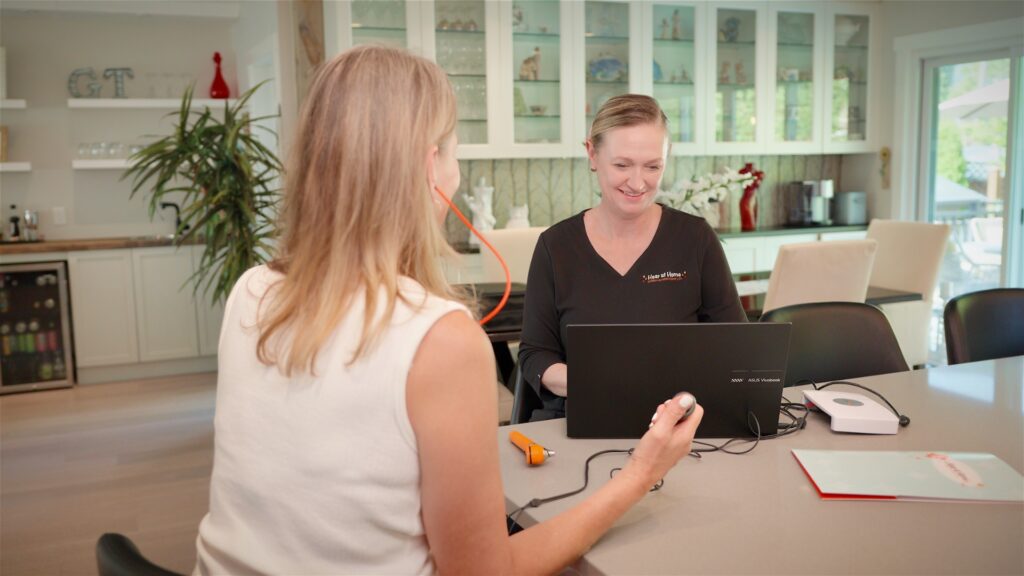
Good hearing care is about more than having a hearing test or choosing a pair of hearing aids. It starts with understanding your hearing needs, looking at how they affect your everyday life and finding the right support for you.
You might struggle to follow conversations in a busy restaurant, hear the television clearly or understand family members on the phone. Whatever your concerns, the right hearing care should help you understand what is happening and what options are available.
If you are looking for good hearing care in Vancouver, here are some important things to look for and what you can expect from a professional hearing care provider.
A Hearing Assessment That Helps You Understand Your Hearing
If you are having difficulty hearing, an assessment is a good place to start. It helps a hearing professional understand your hearing ability and identify the type and degree of any hearing loss.
A hearing screening and a full hearing assessment are not quite the same. A screening can help identify whether further testing may be needed, while a full assessment provides more detailed information about your hearing.
Depending on your needs, a hearing assessment may involve:
- A conversation about your concerns: Your hearing professional will ask about the situations where you have difficulty hearing, your medical history and any changes you have noticed.
- An examination of your ears: Looking inside the ears can help identify visible concerns that may affect hearing or testing.
- Hearing tests: These measure how well you hear different sounds and pitches.
- An explanation of your results: Your hearing professional should explain what the results mean and discuss any recommended next steps.
At Hear at Home Mobile Hearing Clinic, the aim is to help clients understand their hearing results and what they mean for everyday communication. If further medical assessment is needed, this can also be discussed.
Hearing Aids and Technology That Suit Your Needs
If hearing aids are recommended, choosing the right ones involves more than looking at brands or the latest features.
Two people with similar hearing test results may have very different listening needs. Someone who regularly attends social gatherings may want help following group conversations, while another person may be more concerned about hearing family members at home or understanding television dialogue.
Good hearing care should include recommendations that consider your hearing results, daily activities, comfort and budget.
Modern hearing aids are available in different styles and technology levels. Depending on the model, features may include:
- Rechargeable batteries: A convenient option for people who prefer not to handle small disposable batteries.
- Bluetooth connectivity: Allows compatible hearing aids to connect with phones, televisions and other devices.
- Smartphone controls: Some models let users adjust settings through an app.
- Automatic listening adjustments: Certain devices can adapt their settings to different listening environments.
- Directional microphones: Designed to help focus on sounds coming from particular directions.
Not everyone needs every feature. The right hearing aids should suit your hearing results, daily activities, comfort and budget.
A hearing professional should explain the available options, help you compare suitable devices and make sure you understand what is included in the price. The goal is to find technology that works for your life, not simply the device with the most features.
Proper Hearing Aid Fitting and Ongoing Support
Getting hearing aids is only one part of receiving hearing care. Once you have your devices, they need to be fitted and adjusted appropriately.
It can take time to get used to hearing aids. Everyday sounds may seem different at first, and you may need some adjustments as you become more comfortable wearing them.
A hearing care provider should be available to help with:
- Adjusting hearing aid settings based on your feedback.
- Checking that the devices feel comfortable.
- Explaining how to clean and care for your hearing aids.
- Helping with Bluetooth connections and compatible accessories.
- Addressing difficulties you experience in particular listening situations.
- Providing follow-up support, maintenance and repairs.
It is worth asking about aftercare before choosing hearing aids. Find out how follow-up appointments work, what support is included and whether there are additional charges.
Having someone you can contact when you need help makes a real difference to your experience with hearing aids.
Hearing Care at Our Clinic or Your Home
Getting to an appointment is not always easy, particularly for older adults and people with mobility or health challenges.
That is why having a choice of appointment locations can be helpful.
Hear at Home Mobile Hearing Clinic offers appointments at its North Vancouver clinic as well as home visits across Greater Vancouver.
Depending on the service needed, home visits may be arranged in:
Clients can choose between visiting the North Vancouver clinic at Delbrook Plaza or arranging home visits. The team also provides hearing care in suitable care settings.
Services include comprehensive hearing evaluations, prescription hearing aids, assistive listening devices, earwax removal at the North Vancouver clinic and ongoing hearing aid support.
Whether you are looking for a hearing assessment, considering hearing aids or need help with listening devices, the team can discuss your concerns and help you understand the available options.
Find out more about Hear at Home’s hearing services or visit the North Vancouver hearing clinic page.
Frequently Asked Questions
What should I look for in a hearing clinic?
Look for qualified hearing professionals who take time to understand your concerns, explain your test results and recommend suitable options. It is also worth checking what follow-up support is available and whether the clinic offers appointments that suit your needs.
How do I know if I need a hearing test?
You may benefit from a hearing test if you often ask people to repeat themselves, struggle to follow conversations in noisy places, turn the television volume up higher than others prefer or find that people seem to mumble. A hearing assessment can help establish whether hearing changes are contributing to these difficulties.
Are hearing aids better today?
Hearing aids have improved over the years. Many modern models offer rechargeable batteries, Bluetooth connectivity and features designed to support different listening environments. However, the best option depends on your hearing needs, lifestyle and budget. Newer technology is not automatically the right choice for everyone.
Can I get a hearing test at home?
Yes. Hear at Home Mobile Hearing Clinic offers mobile hearing services across Greater Vancouver, including appointments in private homes and care facilities. The team can explain which assessments and services are available during a home visit and whether an in-clinic appointment is needed for anything further.
Do I need follow-up appointments after getting hearing aids?
Yes, follow-up support is an important part of hearing aid care. You may need adjustments, help with the settings or advice as you get used to your devices. Regular contact with your hearing care professional can help address any difficulties and keep your hearing aids comfortable.
Finding the Right Hearing Support
Good hearing care should help you understand your hearing, make informed choices and get support that suits your everyday life.
Whether you are considering your first hearing test, exploring hearing aids or looking for additional listening devices, speaking with a qualified hearing professional is a good place to start.
Hear at Home Mobile Hearing Clinic offers hearing services at its North Vancouver clinic and through home visits across Greater Vancouver.
Visit the Hear at Home website to learn more.