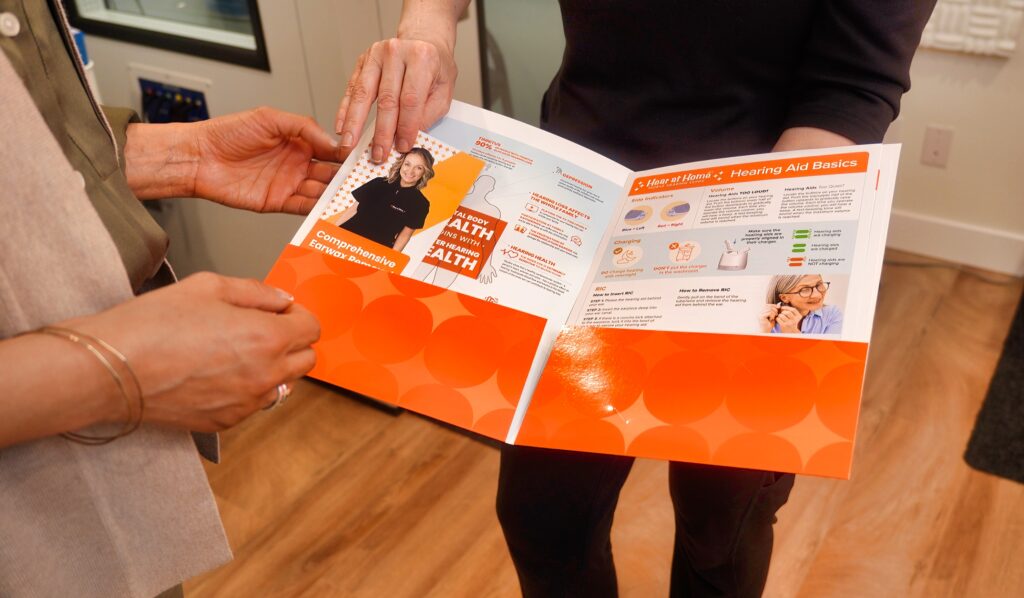
When a loved one moves into long-term care, families suddenly have a lot to think about.
There’s paperwork to complete, medications to organize, a new room to prepare, and countless decisions to make. During such a major life transition, it’s understandable that some things don’t receive as much attention as others.
One thing I often see overlooked is hearing.
It may not seem like the most urgent priority, but I’ve learned over the years that hearing can make a tremendous difference in how well someone adjusts to their new environment.
When hearing aids aren’t working properly, aren’t being worn consistently, or go missing altogether, communication becomes much more difficult. Conversations become confusing, participating in activities becomes harder, and it can be much more challenging for your loved one to feel comfortable, connected, and settled.
Hi, I’m Jennifer, owner of Hear At Home Mobile Hearing Clinic in North Vancouver. I’m a Registered Hearing Instrument Practitioner and a Certified Dementia Practitioner. Since 2009, I’ve been helping individuals and their families manage hearing care both in our clinic and within long-term care settings.
Over the years, I’ve noticed the same challenges come up again and again. The good news is that many of them can be prevented with a little planning.
Here are the five things I encourage every family to think about when a loved one is moving into long-term care.
-
Know What Hearing Equipment Your Loved One Already Has
- Where were the hearing aids purchased?
- Which hearing clinic looks after them?
- What brand are they? (For example, Phonak, Oticon, or Signia.)
-
Learn How the Hearing Aids Work
- How to insert and remove the hearing aids
- How they’re charged or where the batteries go
- What they should look and sound like when they’re working properly
-
Take Care of the Important Details Early
- An updated hearing assessment
- A hearing aid check
- An earwax examination
-
Have a Plan for Ongoing Hearing Care
- Deep cleaning
- Replacing wax guards
- Replacing domes
- Performance checks
- Hearing aid servicing
- Are the hearing aids clean?
- Are they turning on?
- Is my loved one hearing well?
- Have they mentioned any concerns?
-
Prevent the Most Common Problems Before They Happen
- Label hearing aids and chargers.
- Keep a written record of the hearing equipment being used.
- Consider using a hearing aid retention cord or clip if appropriate.
- Make sure family members, care staff, and the hearing clinic all understand their role in supporting hearing care.