Tinnitus is the experience of hearing a sound that doesn’t come from an outside source. It’s often described as ringing in the ears, but it can also sound like buzzing, humming, hissing, clicking or pulsing.
Tinnitus may be temporary or ongoing. It can affect one or both ears, and the sound may be quiet or loud. Some people notice it occasionally, while others find that it affects their concentration, sleep or emotional well-being.
What Can Cause Tinnitus?
Tinnitus isn’t a disease itself. It’s a symptom that can be associated with several different conditions, including:
Hearing loss
Exposure to loud noise
Earwax buildup
Ear infections or injuries
Changes within the ear
Certain health conditions
Some medications
Sometimes the cause of tinnitus isn’t immediately clear. Having your ears and hearing assessed is an important first step.
Tinnitus and Hearing Loss
Tinnitus is often connected to hearing loss, although not everyone with tinnitus has a measurable hearing loss.
When hearing becomes reduced, the brain receives less sound information from the ears. This change may contribute to the perception of tinnitus. Many people aren’t aware that their hearing has changed until they have a professional hearing assessment.
Can Hearing Aids Help With Tinnitus?
Hearing aids don’t cure tinnitus. But when tinnitus occurs alongside hearing loss, properly fitted hearing aids may help make everyday sounds more audible. For some people, hearing more environmental sound makes their tinnitus less noticeable.
The benefit will vary from person to person, which is why a complete hearing assessment is important before considering hearing aids.
What Can Help With Tinnitus?
Although there may not be a simple cure for tinnitus, there are strategies that can make it easier to manage. Depending on the individual, these may include:
Using gentle background sound, particularly in quiet environments
Protecting your hearing around genuinely loud noise
Improving sleep habits
Managing stress
Addressing hearing loss when it’s present
Seeking specialized counselling or support when tinnitus is significantly affecting daily life
Constantly wearing earplugs in normal, everyday environments isn’t usually recommended. Reducing too much everyday sound can sometimes make tinnitus seem more noticeable. Hearing protection should be used when sound levels are actually hazardous.
When Should You Seek Medical Advice?
Speak with your physician if your tinnitus:
Begins suddenly
Is only present in one ear
Pulses in time with your heartbeat
Occurs with a sudden change in hearing
Is accompanied by significant dizziness, weakness or other concerning symptoms
Continues to worsen or substantially affects your daily life
Sudden hearing loss requires urgent medical attention. If you experience a sudden decrease in hearing, particularly in one ear, don’t wait to have it assessed.
How Hear at Home Can Help
Hear at Home doesn’t provide tinnitus retraining therapy or specialized tinnitus counselling. We can provide a comprehensive hearing assessment to:
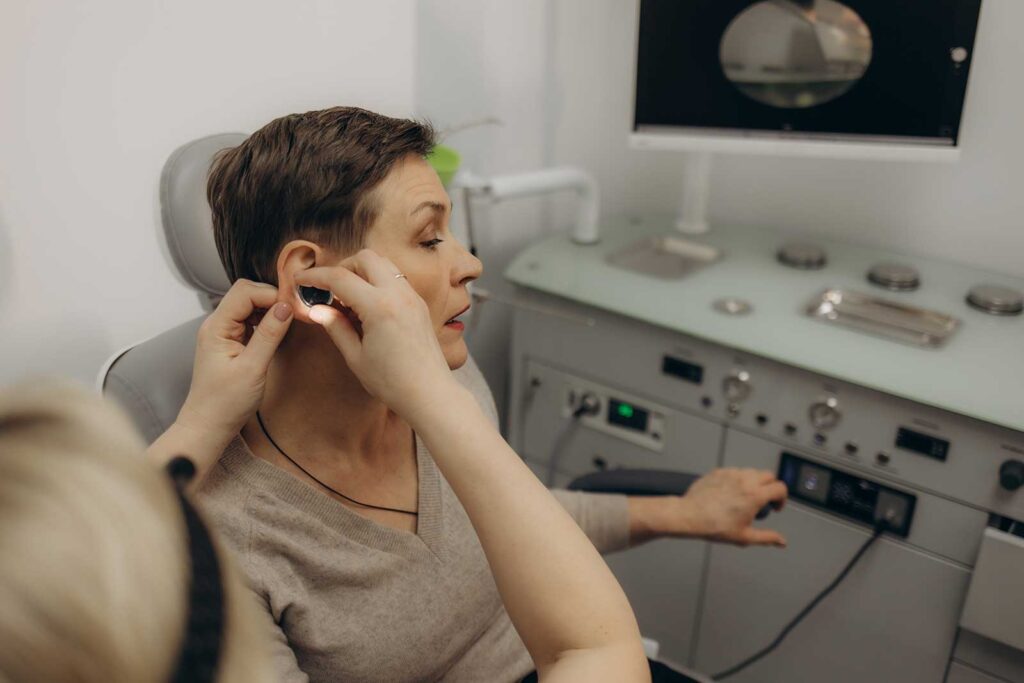
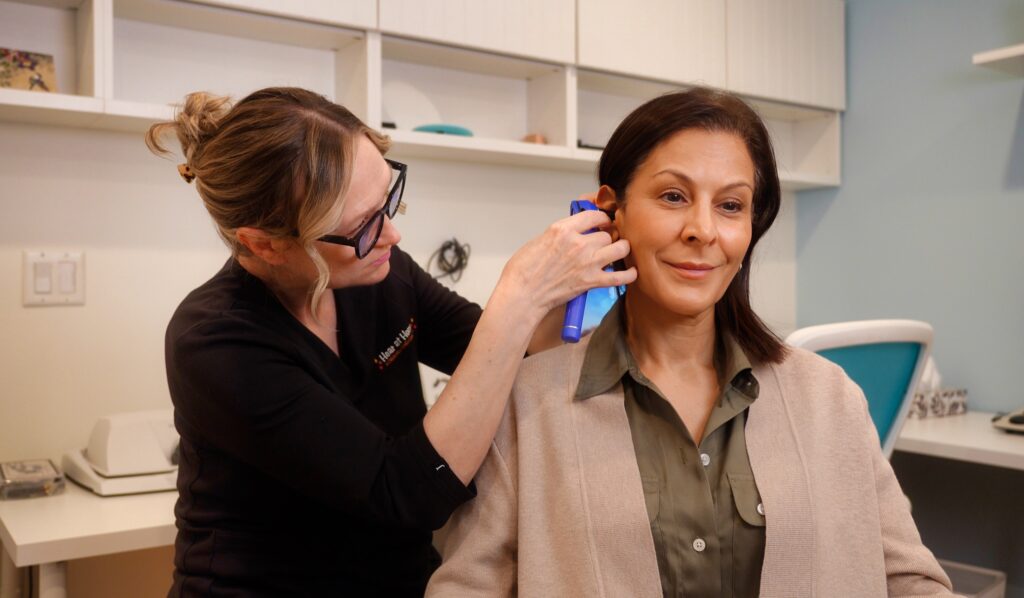
Examine your ear canals
Check for earwax buildup
Assess your hearing
Explain your hearing results
Discuss hearing aids when hearing loss is present
Recommend medical or specialized follow-up when appropriate
Appointments are available at our North Vancouver hearing clinic or through our mobile hearing service across Greater Vancouver.
Just submit the form below and one of our client care associates will contact you to schedule a hearing care appointment.
Watch: Understanding Tinnitus
In this short video, Jennifer Abbott, Hearing Instrument Practitioner and founder of Hear at Home, explains what tinnitus is, some of its possible causes and how it can affect daily life.