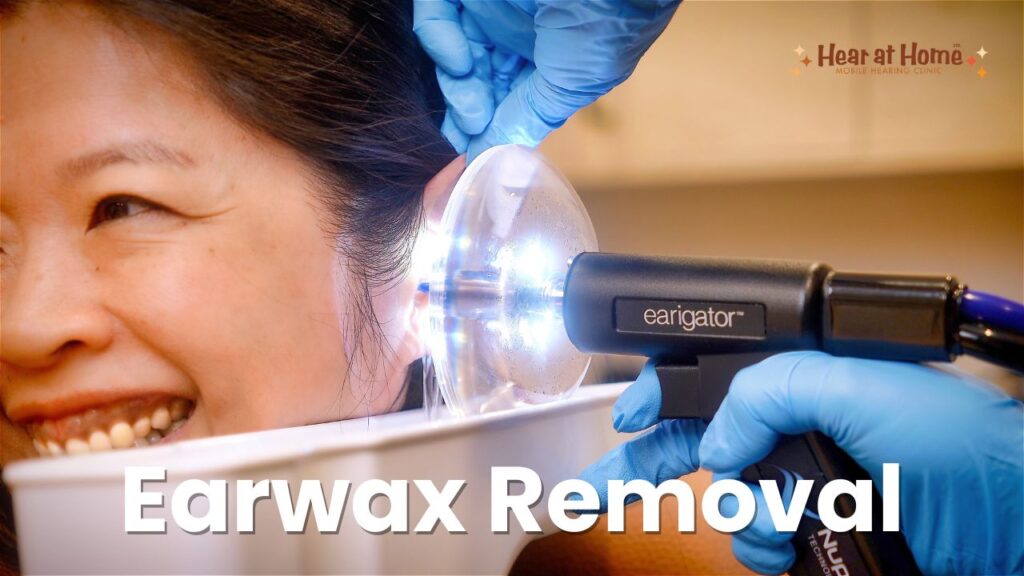
Earwax is one of the most misunderstood parts of hearing health.
Some people think it’s something that needs to be cleaned regularly.
Others ignore it completely – until it starts affecting their hearing.
And many people search for earwax removal only when something feels off:
- A blocked sensation
- Reduced hearing
- Discomfort or pressure
But here’s the important part:
👉 Not all earwax needs to be removed.
👉 And not all removal methods are safe.
In this guide, we’ll walk you through what earwax actually does, when it becomes a problem, and how to approach earwax removal safely – with a clinical, professional perspective.
What Is Earwax and Why Does Your Body Produce It?
Earwax (medically known as cerumen) isn’t something your body produces by mistake.
It serves several important functions:
- Protects the ear canal from dust and debris
- Prevents bacteria and infections
- Keeps the ear canal lubricated
In most cases, your ears are self-cleaning.
As you move your jaw (talking, chewing), earwax naturally moves outward and exits the ear canal.
👉 This means:
Most people don’t need routine earwax removal at all.
When Does Earwax Become a Problem?
Earwax only becomes an issue when it builds up or becomes impacted.
This can happen due to:
- Narrow ear canals
- Use of hearing aids or earbuds
- Attempting to clean ears with cotton swabs
- Natural overproduction
Common symptoms include:
- A feeling of fullness in the ear
- Reduced or muffled hearing
- Ringing in the ears (tinnitus)
- Occasional dizziness
👉 If you’re noticing these symptoms, it’s not just about wax – it may also be time for a hearing test.
You can explore related signs here:
👉 7 Signs You Need a Hearing Test After 50
Is Earwax Removal Safe? (The Honest Answer)
Yes – earwax removal can be completely safe.
But only when done correctly.
The risk comes from:
- Improper tools
- DIY methods
- Lack of visibility inside the ear
The ear canal is delicate.
👉 Even small mistakes can:
- Push wax deeper
- Cause irritation or injury
- Affect hearing temporarily
That’s why professional guidance matters.
Safe Methods of Earwax Removal
Let’s break down what’s considered safe and clinically appropriate.
- Professional Earwax Removal (Recommended)
This is the safest and most effective method.
Performed by trained hearing care professionals, it may include:
- Microsuction
- Irrigation (when appropriate)
- Manual removal with specialized tools
👉 Benefits:
- Done under direct visualization
- Minimizes risk
- Immediate improvement in hearing clarity
At a clinic level, this is part of a broader hearing care approach, not just a standalone service.
- Earwax Softening Drops
These are over-the-counter solutions designed to:
- Soften hardened wax
- Help natural removal
They can be useful for mild buildup.
However:
👉 They don’t always remove wax completely
👉 And shouldn’t be overused without guidance
Unsafe Earwax Removal Methods to Avoid
This is where most problems begin.
❌ Cotton Swabs (Q-tips)
Despite being widely used, they:
- Push wax deeper into the ear canal
- Increase risk of impaction
❌ Ear Candling
Often marketed as a natural solution.
👉 In reality:
- Not medically recommended
- Can cause burns or injury
- No proven effectiveness
❌ Sharp or Improvised Objects
Hairpins, keys, or other tools should never be used.
👉 These can damage the ear canal or eardrum.
Can Earwax Affect Your Hearing Test Results?
Yes – significantly.
If earwax is blocking the ear canal:
- Sound cannot travel properly
- Test results may appear worse than they actually are
That’s why professionals always:
👉 Check ear health before performing a hearing test
If needed, earwax removal is done first to ensure accurate results.
At-Home Earwax Removal vs Professional Care
This is a common question.
At-Home Care:
Suitable for:
- Mild buildup
- Preventative care
Includes:
- Softening drops
- Gentle cleaning (external only)
Professional Care:
Recommended when:
- Hearing feels blocked
- Symptoms persist
- Wax is impacted
👉 A professional approach ensures:
- Safety
- Accuracy
- Complete removal
The Connection Between Earwax and Hearing Loss
Not all hearing loss is permanent.
Sometimes, it’s simply caused by:
👉 Impacted earwax
In these cases:
- Removal can restore hearing immediately
However:
👉 It’s important not to assume.
If symptoms continue after earwax removal, a full hearing test is essential.
How Much Does Professional Earwax Removal Cost?
Cost can vary depending on:
- The method used
- The provider
- Whether it’s part of a full hearing assessment
If you’re already considering hearing care, it’s helpful to understand overall costs.
👉 Read more here:
How Much Does a Hearing Test Cost in Vancouver? (2026 Complete Guide)
Why a Clinical Approach to Ear Care Matters
This is where the difference between providers becomes clear.
Some clinics treat earwax removal as a quick service.
Others – like boutique hearing care providers – approach it as part of a comprehensive hearing health strategy.
That includes:
- Understanding your symptoms
- Evaluating your hearing
- Providing long-term support
👉 It’s not just about removing wax – it’s about improving your hearing experience.
Continuity of Care: Clinic to Home
For many individuals, especially seniors, accessibility matters.
At Hear At Home Mobile Hearing Clinic:
- Care can begin in a clinic setting
- And continue at home if mobility changes
👉 This ensures:
- Consistent monitoring
- Comfortable care environments
- Long-term support
Frequently Asked Questions About Earwax Removal
Is earwax removal painful?
No – when performed professionally, it’s typically quick and comfortable.
How often should earwax be removed?
Only when necessary. Over-cleaning can actually cause problems.
Can earwax come back after removal?
Yes – it’s a natural process. Some people are more prone to buildup.
Should I clean my ears regularly?
Only the outer ear. The inner ear is self-cleaning.
When Should You See a Hearing Professional?
You should seek professional care if:
- Hearing feels blocked
- Symptoms persist after home care
- You experience discomfort or ringing
👉 In many cases, combining earwax removal with a hearing test provides the clearest answers.
🎯 Final Thoughts
Earwax removal isn’t about routine cleaning – it’s about knowing when intervention is actually needed.
Your ears are designed to take care of themselves most of the time.
But when something feels off, the safest approach is a professional, clinical evaluation.
That way, you’re not just treating a symptom – you’re understanding your hearing health as a whole.
If you’re experiencing blocked hearing, discomfort, or simply want clarity about your ear health,
connect with Hear At Home Mobile Hearing Clinic.
With a boutique, clinical approach and the flexibility of both in-clinic and in-home care,
you’ll receive thoughtful, personalized support every step of the way.