When a loved one moves into long-term care, families suddenly have a lot to think about.
There’s paperwork to complete, medications to organize, a new room to prepare, and countless decisions to make. During such a major life transition, it’s understandable that some things don’t receive as much attention as others.
One thing I often see overlooked is hearing.
It may not seem like the most urgent priority, but I’ve learned over the years that hearing can make a tremendous difference in how well someone adjusts to their new environment.
When hearing aids aren’t working properly, aren’t being worn consistently, or go missing altogether, communication becomes much more difficult. Conversations become confusing, participating in activities becomes harder, and it can be much more challenging for your loved one to feel comfortable, connected, and settled.
Hi, I’m Jennifer, owner of Hear At Home Mobile Hearing Clinic in North Vancouver. I’m a Registered Hearing Instrument Practitioner and a Certified Dementia Practitioner. Since 2009, I’ve been helping individuals and their families manage hearing care both in our clinic and within long-term care settings.
Over the years, I’ve noticed the same challenges come up again and again. The good news is that many of them can be prevented with a little planning.
Here are the five things I encourage every family to think about when a loved one is moving into long-term care.
-
Know What Hearing Equipment Your Loved One Already Has
This may sound obvious, but it’s one of the most important places to start.
Before or shortly after the move, take some time to find out exactly what hearing equipment your loved one is using.
Ask yourself:
- Where were the hearing aids purchased?
- Which hearing clinic looks after them?
- What brand are they? (For example, Phonak, Oticon, or Signia.)
If you’re unsure, don’t worry.
Sometimes the answers can be found by looking through old paperwork, hearing aid cases, charging docks, or receipts. If you’re still not sure, the manufacturer’s Canadian office can often help identify the clinic that originally supplied the hearing aids.
Knowing this information makes it much easier to arrange repairs, schedule follow-up appointments, or get support if something stops working.
If possible, I also recommend booking an appointment with the hearing clinic before – or soon after – the move.
Even better, attend the appointment with your loved one if you can. It’s a great opportunity to ask questions and become familiar with their hearing care.
-
Learn How the Hearing Aids Work
In most long-term care homes, staff help residents with their hearing aids each day.
They may put them in every morning, remove them at night, charge them, replace batteries, or give them a quick clean.
Even though staff provide much of the day-to-day support, I still encourage family members to understand how the hearing aids work.
Not because you’ll necessarily be looking after them every day, but because it allows you to recognize when something isn’t right.
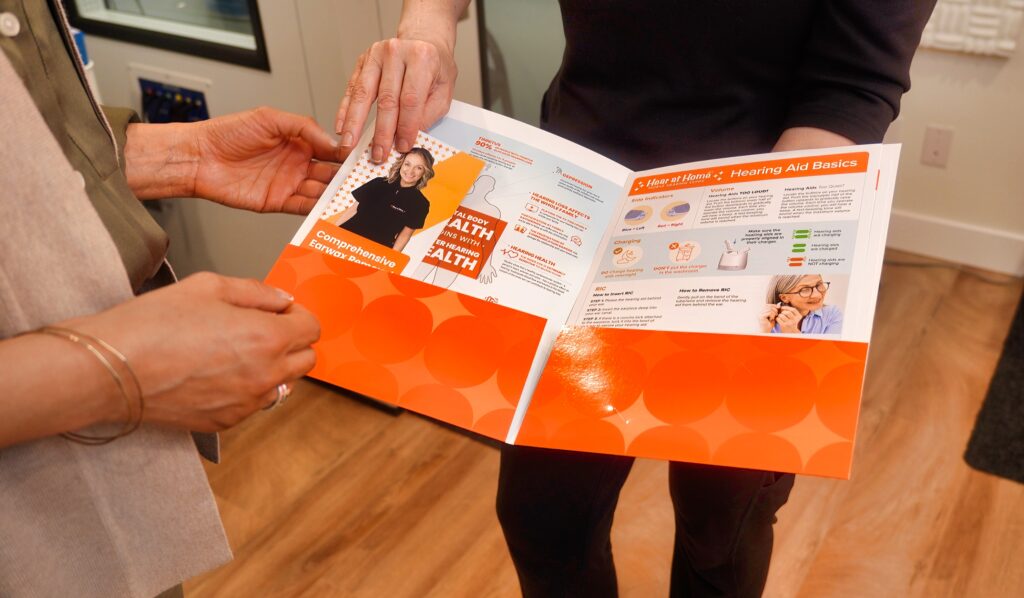
During a hearing appointment, ask the clinician to show you:
- How to insert and remove the hearing aids
- How they’re charged or where the batteries go
- What they should look and sound like when they’re working properly
One tip I often suggest is taking a short video on your phone while these instructions are being demonstrated.
It may seem like a small thing, but it gives you a simple reference if questions come up later. You can even share it with other family members or care staff if needed.
If you can’t attend the appointment with your loved one, you can usually arrange your own visit and bring the hearing aids with you.
Understanding the basics makes it much easier to support your loved one in the future.
-
Take Care of the Important Details Early
There are a few practical details that are easy to overlook during a move, but they can save a great deal of frustration later.
First, make sure the Power of Attorney documentation is in place with the hearing clinic if you’ll be helping manage your loved one’s hearing care.
This allows the clinic to discuss appointments, hearing aid issues, and treatment recommendations with you when necessary.
Next, check whether the hearing aids are still under warranty.
If the warranty is about to expire, it’s worth having the hearing aids checked before the coverage ends.
I also recommend looking at when your loved one’s last hearing test was completed.
If it’s been more than a year – or you’ve noticed changes in their hearing – it may be time for:
- An updated hearing assessment
- A hearing aid check
- An earwax examination
Addressing these details early makes ongoing hearing care much smoother.
-
Have a Plan for Ongoing Hearing Care
Hearing aids require regular attention to continue working well.
While care home staff usually help with daily handling, more detailed maintenance often falls to family members or the hearing clinic.
For example:
- Deep cleaning
- Replacing wax guards
- Replacing domes
- Performance checks
- Hearing aid servicing
Rather than waiting until there’s a problem, I recommend creating a simple plan.
Decide who will take responsibility for checking the hearing aids regularly.
During visits, take a few moments to ask yourself:
- Are the hearing aids clean?
- Are they turning on?
- Is my loved one hearing well?
- Have they mentioned any concerns?
If something doesn’t seem right, don’t wait.
Small issues are usually quick and easy to resolve, but when they’re ignored, they often become much bigger problems.
Scheduling regular hearing appointments and setting reminders can also help keep everything on track.
-
Prevent the Most Common Problems Before They Happen
There are a few issues we see repeatedly in long-term care settings.
Hearing aids get misplaced.
Chargers disappear.
Devices stop working.
Or hearing aids simply aren’t being worn consistently.
Fortunately, there are some simple ways to reduce these problems.
For example:
- Label hearing aids and chargers.
- Keep a written record of the hearing equipment being used.
- Consider using a hearing aid retention cord or clip if appropriate.
- Make sure family members, care staff, and the hearing clinic all understand their role in supporting hearing care.
One of the biggest lessons I’ve learned over the years is that hearing care works best when everyone works together.
Families help oversee and coordinate care.
Care staff provide day-to-day support.
The hearing clinic provides ongoing clinical care and troubleshooting.
When everyone knows their role, things tend to run much more smoothly.
Why This Matters More Than Many Families Realize
I’ve seen situations where hearing aids stopped working and no one noticed for weeks.
Your loved one is already adjusting to a completely new environment.
If they also can’t hear conversations clearly, it becomes much harder to build relationships with staff, participate in activities, and feel comfortable in their new home.
Supporting their hearing isn’t just about the hearing aids.
It’s about helping them stay connected with the people around them.
Final Thoughts
Moving into long-term care is one of life’s biggest transitions – for both residents and their families.
While it’s easy to focus on the larger tasks, taking a little time to plan for hearing care can make a meaningful difference in your loved one’s comfort, communication, and quality of life.
A little preparation today can prevent many of the challenges we commonly see later.
Hear At Home Mobile Hearing Clinic
At Hear At Home Mobile Hearing Clinic, we work with residents, families, and care homes throughout Metro Vancouver to help make hearing care simpler and more manageable. Whether you need help understanding hearing aids, arranging a hearing assessment, or supporting a loved one in long-term care, we’re here to help.
Related Reading: Sudden Hearing Loss? Here’s What To Do and What Not To Do
You May Also Like: Can Hearing Tests Be Done at Home?